


Marcelo Piñeyro: Collective Management, Circulation of Works, and the Human Experience of Cinema in the Face of AI
- hace 3 días
- 3 Min. de lectura

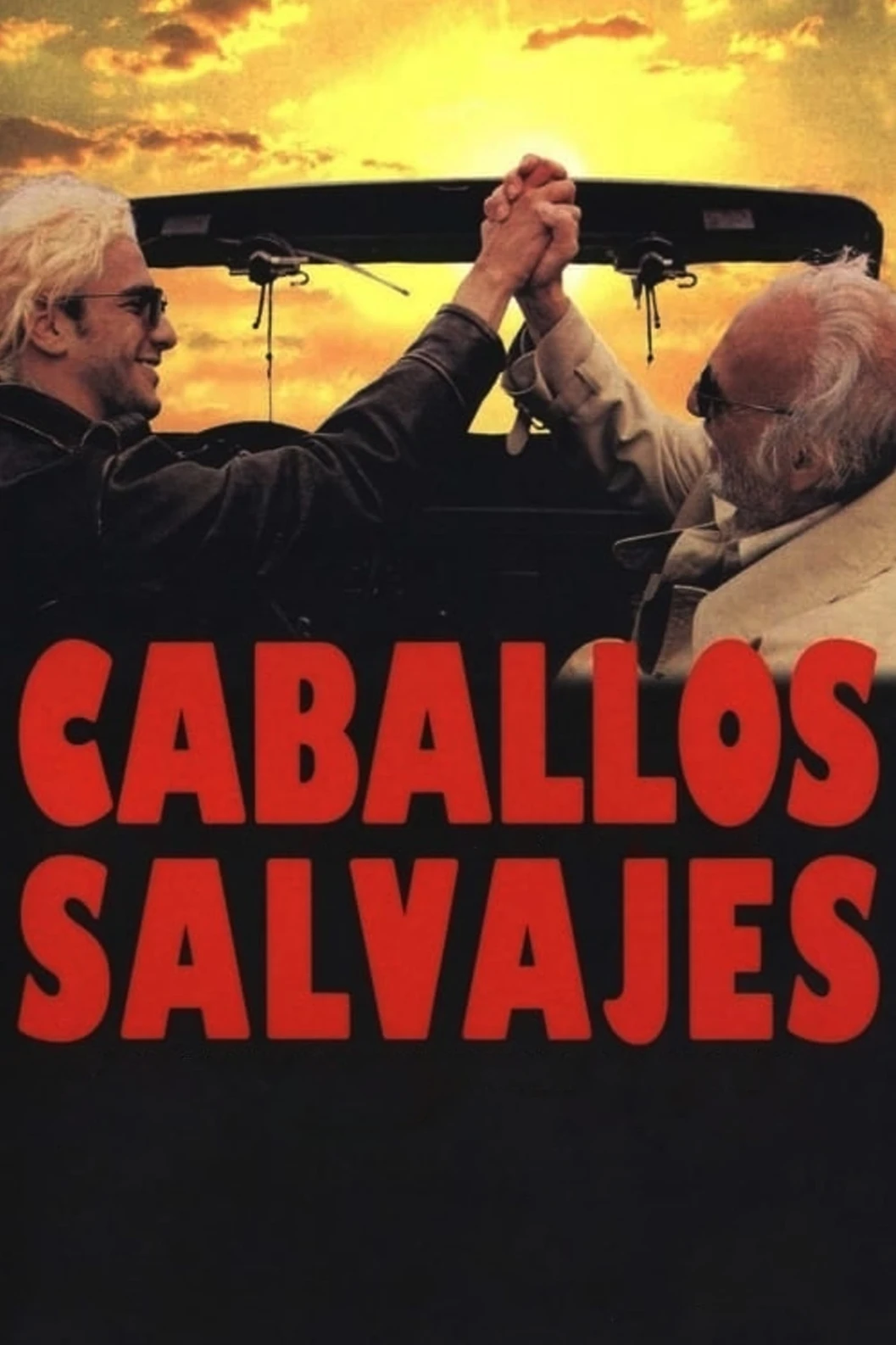
With a career firmly established both in Argentina and internationally, Marcelo Piñeyro is a key voice for reflecting on the present and future of the audiovisual sector from a perspective that connects creation, author’s rights, and collective experience. The current vice president of DAC — Directores Argentinos Cinematográficos — and honorary president of the International Confederation of Audiovisual Authors (AVACI), the director of emblematic Argentine films such as Tango Feroz, Ashes of Paradise, and Wild Horses reflects on the importance of collective management societies, the challenges surrounding the circulation of works in a context of strong concentration, and the place of artificial intelligence in creative processes.
By Ulises Román Rodríguez and Pablo Di Tullio
The Value of Belonging: Identity and Collective Management
Piñeyro’s relationship with DAC predates its establishment as a collective management society. When the organization still functioned as a directors’ guild, the connection was already grounded in a deep conviction: a belief in the strength of collective action. “By formation I believe in the collective. There is a power there that cannot be achieved individually,” he tells AV Creators News.
Piñeyro’s relationship with the world of author’s rights deepened in 2009, when Decree 124 recognized DAC as the representative body for directors’ author’s rights related to the public communication of their works. Until then, Piñeyro received royalties abroad through entities such as Spain’s SGAE, but not in his own country. When DAC assumed the collective management of those rights, he — along with other internationally recognized directors — transferred his representation to the local organization in order to strengthen its legitimacy. That gesture, he acknowledges, was key not only to institutional consolidation but also to his own reconnection with a sense of belonging that goes beyond economic considerations.
Piñeyro’s commitment to the collective management of author’s rights gained international visibility in 2021, when the creation of the International Confederation of Audiovisual Authors (AVACI) designated him as honorary president, recognizing both his career and his consistent defense of collective action.

Referring to the recent Netflix production The Kingdom, the director believes the main difference between working within this production model and traditional modes lies in exhibition: “the film is still a film, even if it doesn’t go through movie theaters.” The series is a clear example of how a work conceived by a platform for a local audience can achieve international reach. Even so, Piñeyro insists that the underlying debate remains the same: how to guarantee the effective circulation of works and the recognition of author’s rights in an increasingly concentrated landscape.
—In a context of rapid technological change and multiple possible ways of making films, what place does technique occupy for you within the creative process?
—I’m very little of a “gear person.” I’ve never had a good relationship with technology, and those things have never worried me much. I studied art history and have a visual arts background, and the relationship I have, for example, with a cinematographer comes from that place rather than from the technical side. I believe there is no longer just one way to make films: there are many. And every day there are more ways to produce them. This has nothing to do with quality. Today you can make a film with a cellphone, and if you have talent and vision, you can make a great film.
—I imagine you must have come across — not necessarily a film, but some audiovisual product, perhaps an advertisement or a short film — made with artificial intelligence. How do you see the use of this tool?
—I feel it is very distant from me. What I like about cinema is getting together with actors, shaping characters, thinking about the story and the psychological complexity of these relationships. That is such a human experience! The films I made, with different actors, would have been different films, because they are products of human exchange. With artificial intelligence, I have the feeling that this cannot be achieved.




For Piñeyro, the central problem is structural: “I believe the serious problem of the present is not the technological revolution, which expands and democratizes, but concentration.” The direct consequence is the growing difficulty for works to circulate and find their audiences. “The circulation of a work is what makes the work exist,” he states. Without that encounter between film and audience, cinema risks becoming irrelevant, reduced to archives that no one watches.
The director sums it up this way: “If I were thirty years old, the advance of artificial intelligence would probably worry me in a different way, and I would try to reflect more deeply on the issue. Now I feel I don’t need to, because if my profession becomes the empire of artificial intelligence, I will simply retire, go home, and watch old movies.”
